
Learning to Garden All Over Again on Tasmania’s North West Coast
Coming from Perth's sand and scorching summers, gardening in Tasmania feels like learning a new language. I'm right at the start, so here's what I'm learning (so far!) and what's on my very long wish list.
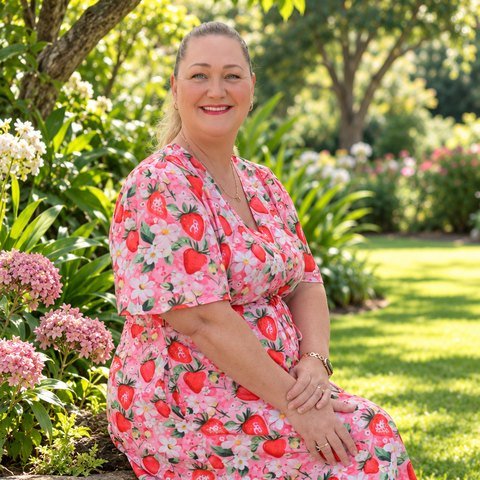 Cherrie Monarch
21 October 2026 · 8 min read
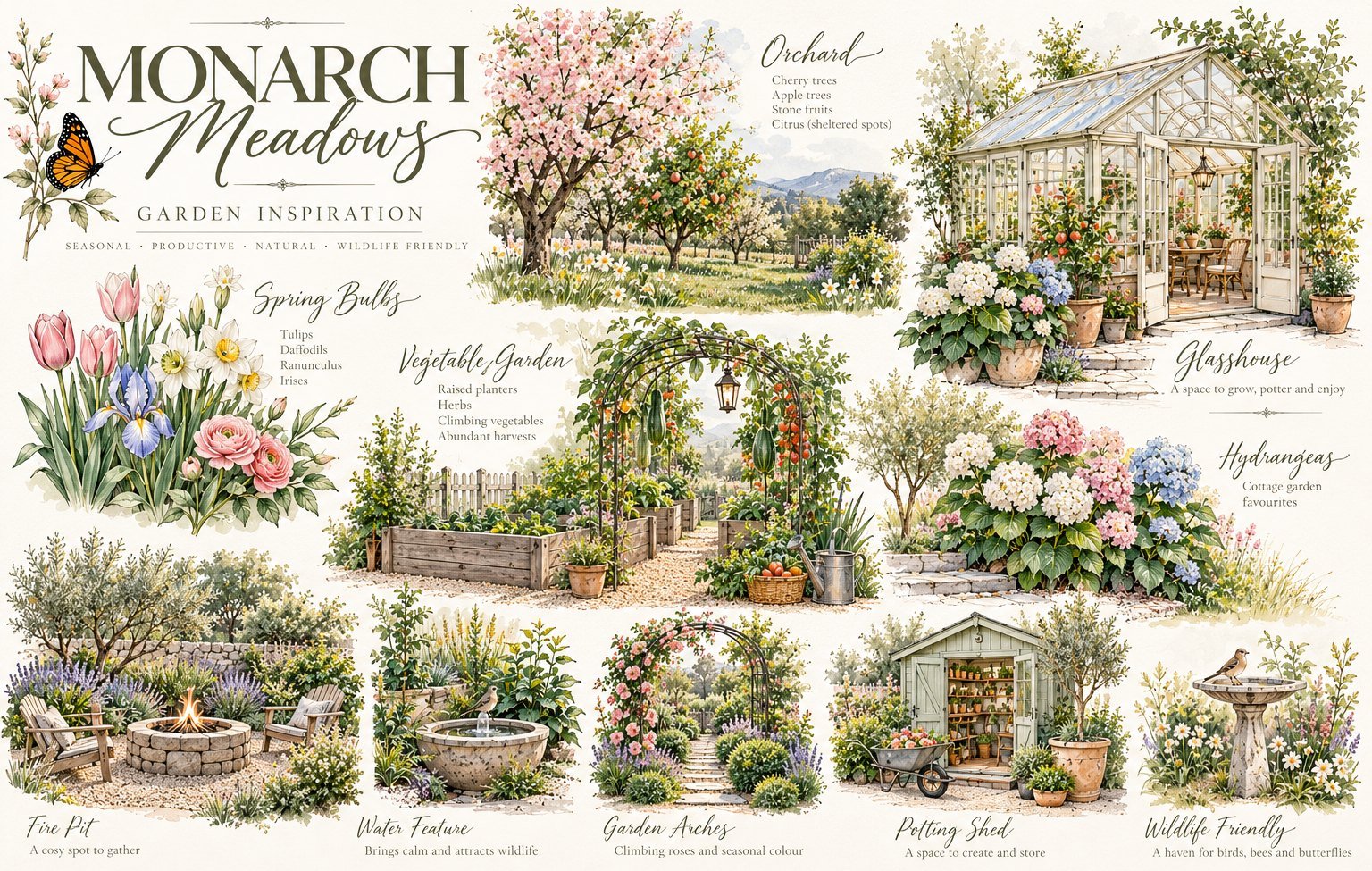
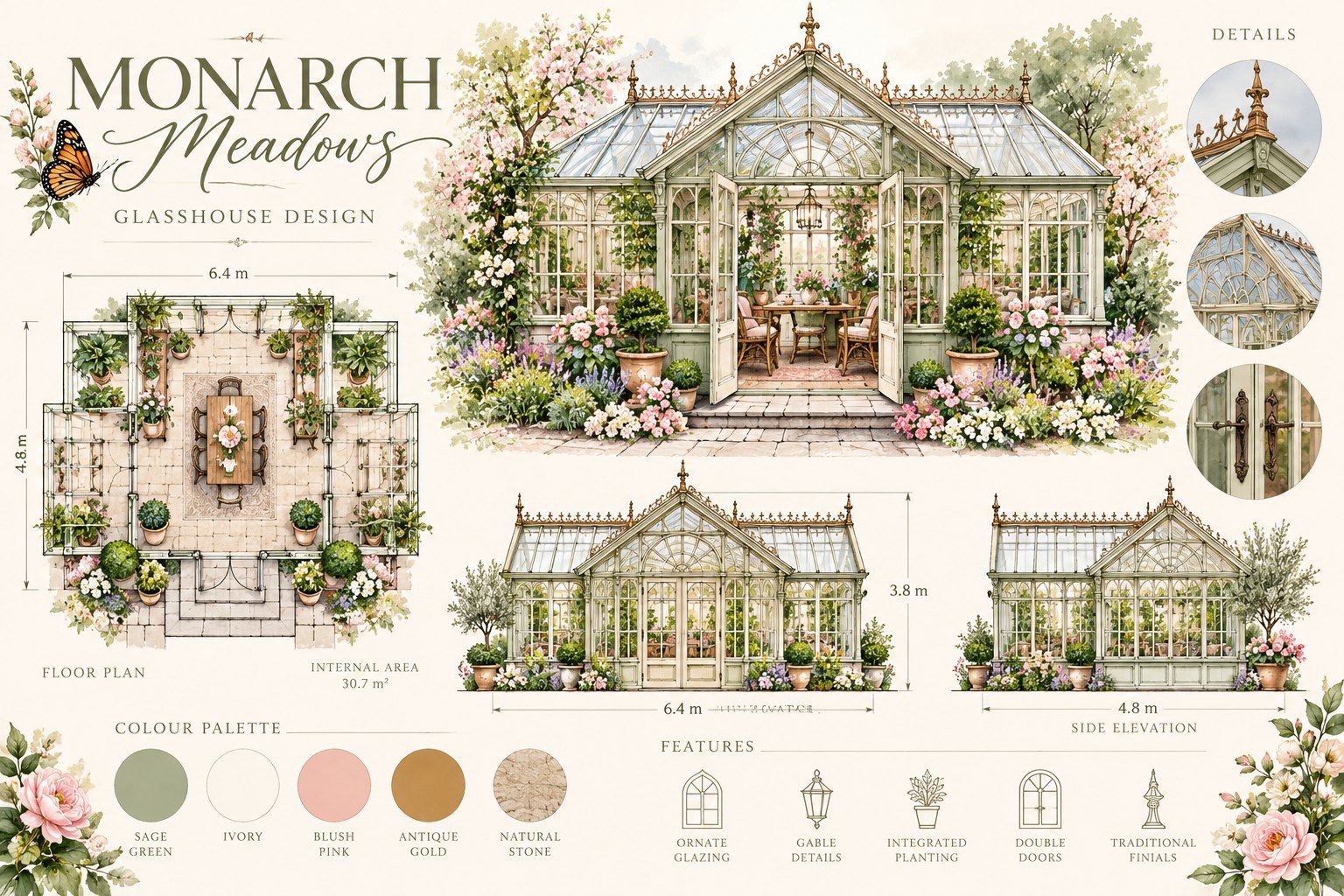
Our garden inspiration board. A girl can dream!
In Perth, gardening meant fighting with hydrophobic sand, watering at dawn and watching my plants cook every February. (Some of them didn’t even make it to February.) So when we moved to Tasmania’s North West coast, I was ready for a fresh start. And I am SO ready. I can’t wait to get my hands in the dirt. But first I have to be patient. *Sigh.*
Let me be really clear up front: I am a total beginner here. We haven’t even been here a year, so I haven’t seen all the seasons yet, let alone grown through them. This post isn’t advice from an expert. It’s what I’m learning as I go, what’s surprised me so far, and what’s on my very long wish list. (Paul would like me to point out that it’s a very, very long wish list.)
Getting to know a new climate
From what I’ve seen so far, and what the locals keep telling me, the North West has a mild, cool climate shaped by the sea. Summers are meant to be gentle and winters cool and damp. The wind seems much like Perth’s, mostly blowing in during spring. (Holly adores it. She loves to stand with her muzzle to the breeze, eyes half closed, and let it wash over her while her fur billows out in the most majestic way. Honestly, she looks like she’s in a shampoo ad.)
Now, the rain. I assumed Tasmania would be soggy all the time, so I went and looked at the weather records. Surprise! Over a whole year, the North West gets about the same amount of rain as Perth. The difference is how it arrives. In Perth, almost all of it comes in winter, in big heavy downpours that run off the sand and disappear into the ether, and then summer is bone dry for months. Here, it’s spread right through the seasons, falling gently and more often, and it actually soaks into the earth. (My future garden is going to think it’s on holiday.)
Frost. What is frost?!
I’ve never gardened with frost before, so this is a whole new world. Here’s what I’ve picked up so far: on clear, still, cold nights, ice crystals can form on plants. Cold air is heavy, so it rolls downhill and settles in low spots, a bit like water. Tough plants shrug it off, but tender ones can be burnt black overnight. (Rest in peace to the future basil. I’m sorry in advance.)
And here’s the best tip I’ve learned so far. You can protect plants by spraying them with water so it freezes over the leaves and flowers. By some kind of igloo magic, the layer of ice keeps them protected from frost burn, then it melts off when the sun hits it and TADA, no damage! (From what I’ve read, the trick is to keep the water going until the ice starts melting in the morning. I’ll be testing this and reporting back.)
I’m also planning to watch where the frost settles on our block, put the delicate things higher up and somewhere sheltered, and keep frost cloth handy. I fully expect to learn a few lessons the hard way.
Goodbye mangoes, hello Christmas cherries
Let’s get the sad news out of the way. We won’t be growing mangoes here. In Perth we had so many we were giving them away by the bucket, and I’ll miss them dearly.
But Tasmania has its own Christmas magic: cherries. Picking our own cherries for the Christmas table is very high on my list, and I’ve made my peace with the mango situation. Mostly.
That delicious soil
Much of the North West is known for its rich red soil, formed from old volcanic basalt. I call it delicious. The first time I saw whole fields of rich, chocolate-coloured soil, I was amazed. (After years of Perth sand, I definitely scooped up a handful and wondered if it tasted like chocolate too. I didn’t check. Probably.) There’s a local saying that you could throw a nail in this soil and grow a crowbar.
Every block is different, though, so before planting anything big we’re planning a simple soil test to find out what we’re actually working with.
The daffodil show that changed everything
On the 12th of September we went to the Daffodil Show in Burnie, and I came home absolutely buzzing. (Paul says I also came home with a much longer wish list. He’s not wrong.)
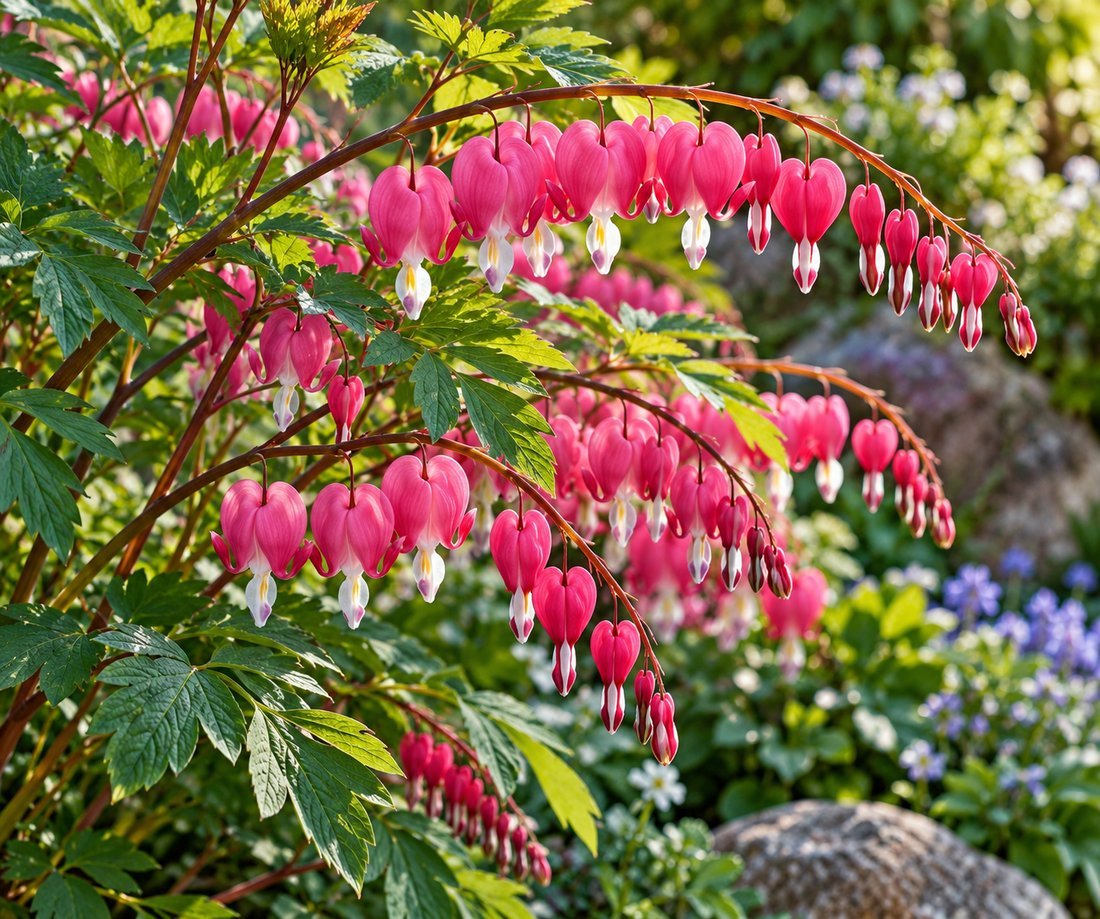
First, the bleeding heart. Asian bleeding heart (Dicentra spectabilis, now often sold as Lamprocapnos spectabilis) is a plant I’ve been fawning over for YEARS. Long arching stems hung with rows of little pink hearts, each with a white drop at the tip, like a string of tiny lockets. And I found out I can actually grow it here! It loves cool, moist, partly shaded spots. Plot twist: they’re MUCH smaller than I’d imagined. (In my head they were basically a small tree.) Small or not, I’m planting a whole drift of them.
Then I discovered hellebores, and fell in love all over again. Often called winter roses, hellebores (Helleborus) bloom in the coldest, greyest weeks of the year, when almost nothing else will. Their nodding, cup-shaped flowers come in creamy white, soft blush, dusky pink, deep plum and even near-black, some freckled inside like a speckled egg, all above glossy evergreen leaves. Best of all, they love dappled shade under trees. And guess who has a mini forest?

(A quick note for fellow pet parents: bleeding hearts and hellebores are both toxic if eaten, so ours will go where Holly can’t dig and Delilah can’t nibble.)
Peonies, dahlias and fields of daffodils (oh my!)
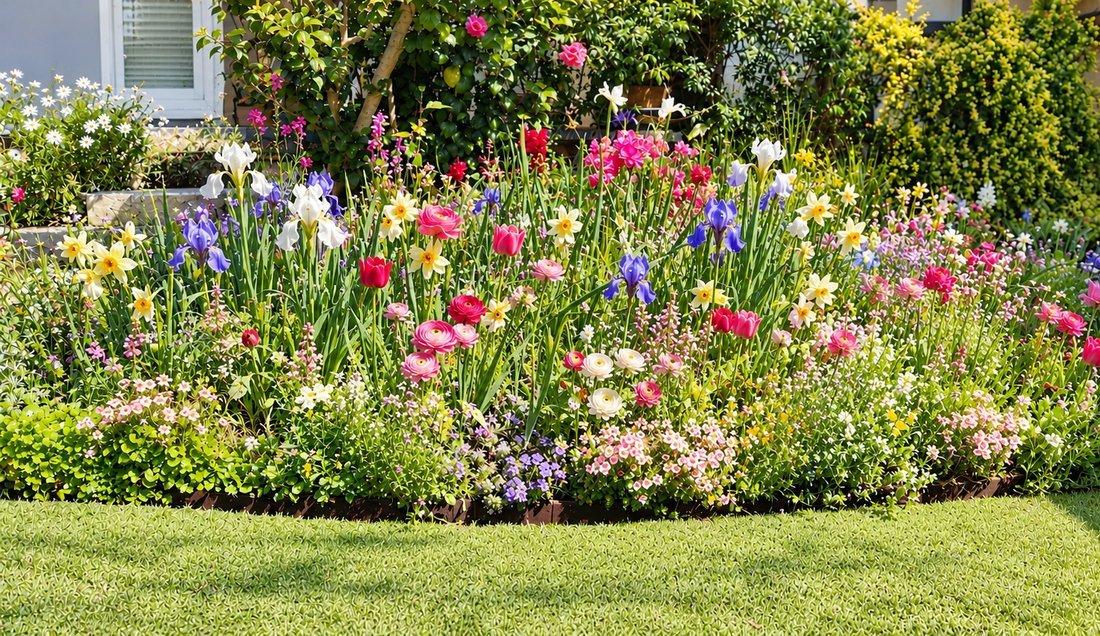
And I’m not stopping there. I want peonies, big blousy ones, which I’m told love Tasmania’s cold winters. I want dahlias for late summer colour. And I want fields of daffodils. Not a pot. Not a border. FIELDS. Plus every spring bulb I can get my hands on: tulips, hyacinths, ranunculus, anemones and bluebells. (I’ve already started the list. It has sub-lists.)
And hydrangeas. SO many hydrangeas.
I’m expecting big things from the hydrangeas. They love cool, moist weather, which (as I’m learning) is exactly what we’ve got. And I’ve read that their colour depends on your soil, from blues in more acidic soil to pinks in more alkaline soil, so I can’t wait to see what our delicious dirt does with them.
Also, have you heard? The new measure of wealth for women over 40 is how many hydrangeas you have. By that measure, I’m planning to be extremely wealthy. (Paul, if you’re reading this, it’s an investment.)
After years of watching Perth summers fry everything I loved, the idea of a spring garden that just keeps coming makes me want to do a little happy dance. Five acres of growing potential. I honestly can’t wait.

The wish list (in order of patience required)
Everyone keeps telling me the same thing: when you’re starting from bare ground, plant the things that take years to grow first. So that’s the plan.
- Hedges. We had a hedge in Calista and loved the privacy and greenery it gave us. We’re not exactly short on greenery at The Monarch Meadows, but we definitely want a privacy screen, and a hedge will help slow those spring winds too.
- Fruit trees. Apples, pears and those Christmas cherries. Plus mulberries: we grew a white mulberry in Calista, so we want a white and a purple this time. (Purple-stained fingers are a small price to pay.)
- Nut trees. Yes, we’re going to grow our own nuts! Tasmania’s cool climate suits walnuts, hazelnuts and chestnuts, and I want all of them. (I asked Paul where they’re all going to go. He reminded me we have five acres.) An almond sounds trickier this far south, but if we find a sheltered, sunny spot, I’m going to try.
- Garlic and onions. There’s an old Tasmanian saying: plant garlic on the shortest day and harvest it on the longest. I love that.
- A lantern veggie tunnel. Right at the top of the wish list, underlined twice, so I can walk through the tunnel and admire all the vegetables I will never eat. (Haha.)
Then, as one of our last projects, beehives. Our own bees to pollinate the garden, and our own honey on the table.
One well-loved garden bed beats ten neglected ones.
What I’m learning so far
- Watch before you plant. This is the advice I hear most. Notice where the sun, wind, frost and water go before you dig, so you don’t plant your dream orchard in a frost hollow. (I’ve still got to figure out where north is.)
- Ask the locals. Everyone I’ve met so far has been so generous with their advice. Nurseries, garden shows and neighbours know exactly what thrives here.
- Start small. Five acres is a lot of ground. Get one bed thriving before you dig the next. (I’m telling myself this as much as you.)
Follow along
I’ll be sharing every planting day, every failure and every first harvest here and on our socials, beginner mistakes and all. If you garden in Tasmania, please share your best tips in the comments, especially about frost and nut trees. I’m all ears, and I’ve got a lot of pasture to fill.
Cherrie x
Cherrie Monarch
the dreamer
A visionary, green thumb and serial idea dreamer. Loves nature, animals and a good research rabbit hole. Cherrie is sharing the whole journey, from the Perth suburbs to 5 acres on Tasmania's North West coast.
Become a Monarch Meadows partner
We partner with a small number of brands that fit our lifestyle and growing needs. Paul likes practical, Cherrie likes pretty, and the best brands are both. Series sponsorships, product features and video integrations available.
Partner with us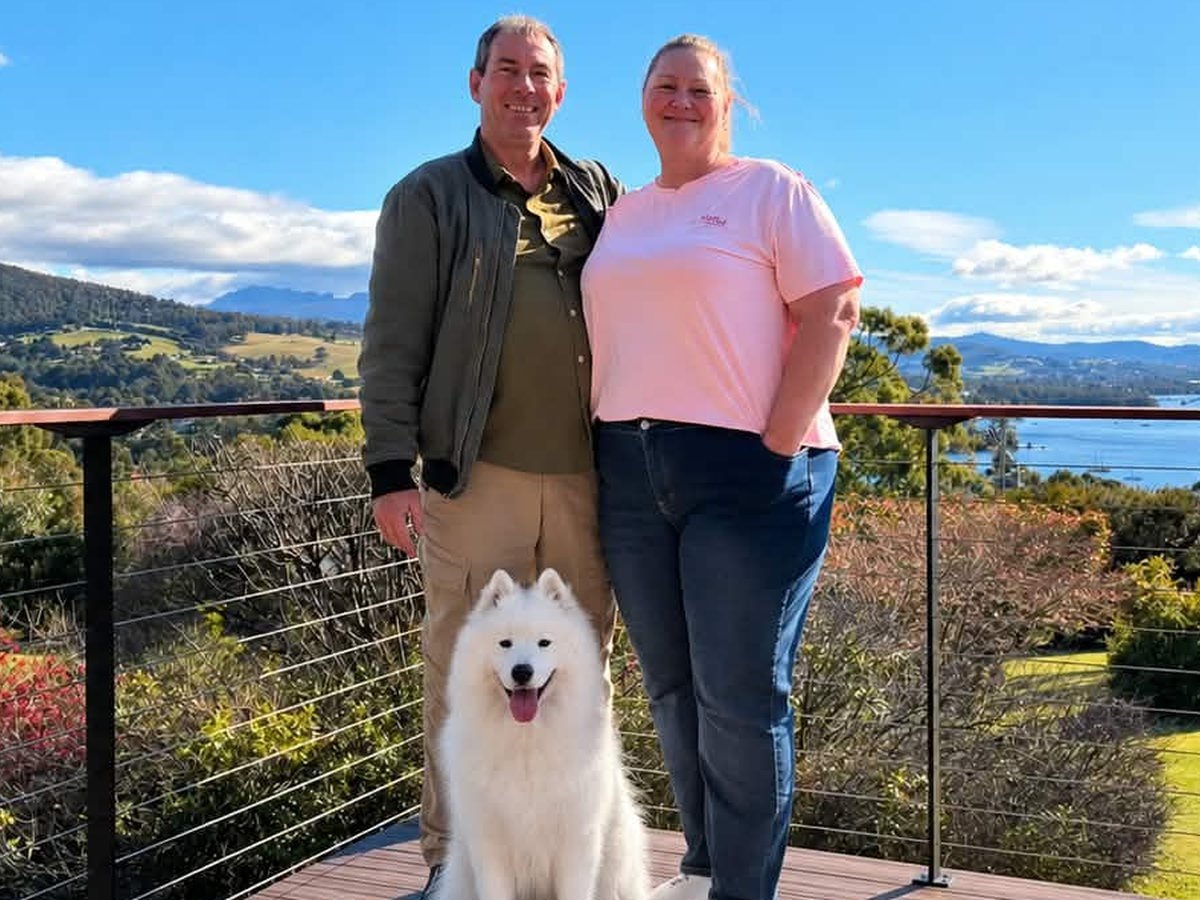
Join the conversation
Comments are checked by Cherrie before they appear, so be kind. Your email is never shown.